🌿 Spring Garden Preparation in Cornwall: 10 Practical Tips After a (VERY) Wet Winter

Winter’s been doing what winter does best in Cornwall.
Rain, wind, heavy ground and the odd sideways shower for good measure.
And when it finally starts to feel a touch lighter in the evenings, you look out at the garden and think… right then. Where do I even start?
Here’s a simple, practical guide to getting your garden ready for spring.
No big theory. Just what actually works.
1. Start With a Proper Walk Round 👣
Before picking up tools, just walk it.
Look at:
Waterlogged patches
Loose paving
Broken fence panels
Storm-damaged shrubs
Compacted lawn areas
Winter highlights weaknesses. Best to spot them now.
2. Deal With Drainage Early 💪
If water’s been sitting in the same place since November, it’s not going to magically fix itself.
In Cornwall especially, garden drainage makes a huge difference.
Sometimes it’s as simple as improving soil structure.
Sometimes it needs proper landscaping work.
But spring growth won’t thrive in standing water.

3. Rake, Clear and Let the Lawn Breathe 🍂
Lawns take a beating over winter.
First step:
Remove debris
Lightly rake out moss
Avoid heavy traffic while it’s still soft
Once it firms up, a light feed can bring it back to life.
Don’t rush it. Wet lawns and heavy machinery don’t mix.
4. Prune With Purpose ✂️
Spring prep doesn’t mean hacking everything back.
Trim:
Dead or damaged branches
Winter growth that’s crossing or rubbing
Hedges that need shaping before nesting season
If in doubt, take less — you can always take more later.
5. Check Your Patio and Paths 🔍
Winter frost and rain can loosen joints and shift slabs.
Have a look for:
Wobble underfoot
Open joints
Drainage pooling on paving
Small repairs now stop bigger fixes later.

6. Refresh Borders 🪻
Soil in Cornwall can compact after months of rain.
Lightly fork borders (when not waterlogged) to improve airflow.
Top up with compost or organic matter.
Healthy soil is half the job done.
7. Think Ahead Before Planting 💡
It’s tempting to fill gaps straight away.
But first:
Check exposure (wind off the coast can be brutal)
Check drainage
Choose plants suited to Cornwall’s climate
Coastal gardens especially need the right choices.
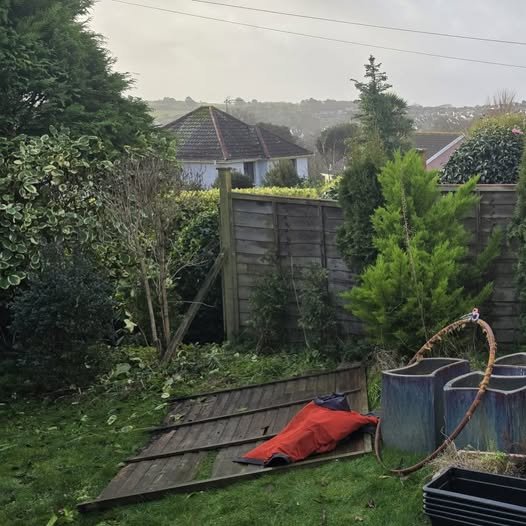
8. Repair Storm Damage Properly 🧰
We’ve seen plenty of storm damage recently.
Leaning fences.
Uprooted shrubs.
Cracked paving.
Quick fixes don’t last.
It’s better to reset properly than patch something that’ll move again in six months.
9. Plan Any Bigger Changes Now 🙌
If you’re thinking about:
Retaining walls
Raised beds
Full landscaping project
Spring books up quickly across Cornwall.
Planning early avoids the summer rush.
10. Keep It Manageable 👍
You don’t have to do everything at once.
Pick the jobs that:
Improve safety
Improve drainage
Set the garden up for growth
Momentum builds from there.
Cornwall gardens are tough.
They take wind, salt air, heavy rain, and still bounce back every year.
A bit of steady prep now makes all the difference when the warmer days properly arrive.
If you’re unsure where to begin, or the job feels bigger than expected, we’re always happy to have a chat.
No pressure. Just friendly, practical advice.
— Tom 🌿
ML Rashleigh Landscaping